

Guides
Use these guides to plan printed graphics that suit where they will be used, how long they need to last and what they need to say. We cover practical choices for vehicles, boats, shops, homes and events across Durban and KwaZulu-Natal.
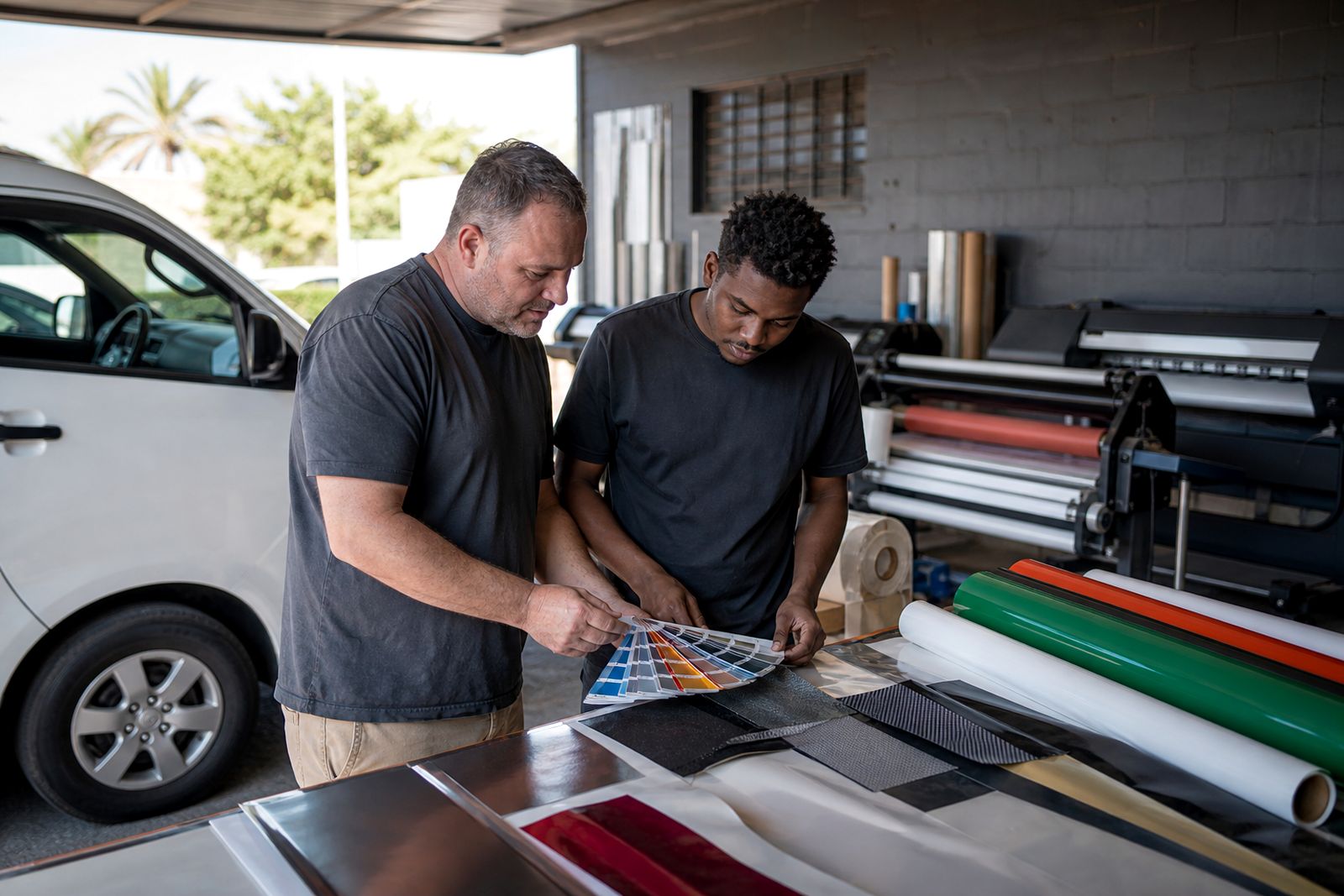
What These Guides Help You Decide
This section brings together straightforward advice for customers comparing printed graphics, signs and interior finishes. Some jobs need long outdoor life in Durban sun and coastal humidity, while others are for short promotions, once-off events or indoor feature walls. The aim is to help you choose the right format before artwork is printed or installation is booked.
You will find guidance on vehicles and boats, wallpaper and canvas, banners and signs, and smaller print like posters, stickers and cut vinyl. If you already know the surface, approximate size and where the item will be used, these notes will help narrow the options quite quickly.
Start With Surface, Weather and Viewing Distance
Before choosing a product, look at the actual surface and conditions. A flat painted wall inside a hallway needs a different material from a ski-boat hull, a delivery van, or a roadside sign facing salt air. In KZN, heat, rain and sea air matter, and they affect both material choice and installation timing.
- Indoor walls: good for wallpaper, wall graphic vinyl and canvas where there is limited moisture and regular cleaning is light.
- Vehicles: suited to printed graphics, decals and wraps, depending on whether you need partial branding or fuller coverage.
- Boats: need materials chosen for curved surfaces, spray, sun and regular washing.
- Temporary event spaces: banners and pop-up units work well when setup and takedown must be quick.
- Long-distance viewing: signs and billboards need larger text, stronger contrast and fewer words.
It also helps to ask how close people will stand. A poster in a shop window can carry more detail than a billboard viewed from passing traffic. That one point often saves a lot of rework later.
Quick Comparisons for Common Print Choices
If you are choosing between similar products, this is the most useful place to start. Each option has a different job to do, and using the wrong one usually shows up fast in fading, lifting edges or text that is too small to read.
- Vehicle graphics vs full wraps: graphics suit logos, contact details and simple panels. Wraps suit larger coverage and stronger visual impact.
- Boat signage vs boat wraps: signage is practical for names, numbers and selected branding. Wraps suit a broader colour change or full printed look.
- Banners vs rigid signage: banners are portable and cost-effective for temporary use. Rigid signs are better for fixed positions and longer service life.
- Wallpaper vs wall graphic vinyl: wallpaper covers larger decorative areas. Vinyl suits spot graphics, wayfinding and branded wall sections.
- Posters vs stickers: posters are for display on boards, windows or walls. Stickers are for direct application to products, packaging, glass or panels.
- Canvas prints vs photo wallpaper: canvas works well for framed-style display. Wallpaper suits full wall imagery and larger room impact.
When a job sits between two options, we usually recommend choosing based on expected wear and how easy future replacement needs to be.
Artwork, Photos and Sizing Before Print
Good printing starts with usable artwork. Clear logos, readable text and photos with enough resolution make a big difference, especially on large wall pieces and banners. If a file has been pulled from a message app or screenshot, it may look fine on a phone but print soft at full size.
For vehicles and boats, measurements should be taken from the actual unit where possible because body lines, trim and handles change the workable area. For wallpaper and wall vinyl, wall width and height should include any bulkheads, windows, plug points or recesses that affect the layout. A few extra millimetres can matter on a long run and this gets missed often.
If you are unsure whether your file is suitable, use the contact form and send the details of the job, intended size and surface. That gives us enough to advise on the next step.
Installation Planning Makes a Big Difference
Printed material performs better when installation conditions are sensible. Clean surfaces, dry weather and enough working space matter on almost every job. For wraps and wall applications, dust, damp and rushed fitting can shorten the life of the graphic.
- Vehicles and fleets: plan around downtime so each unit is available, clean and parked under cover if possible.
- Boats: allow time for washing, drying and access around the hull or cabin area.
- Shop signs and banners: check landlord rules, centre requirements or municipal limits before production.
- Interior graphics: fresh paint may need curing time before vinyl or wallpaper goes up.
- Power cuts: if your site has access restrictions or gate motors, plan the install window properly so teams are not delayed.
On taller sign work, safe access also affects timing. It is always better to mention site limits early than after printing has been completed.
Choosing the Right Guide for Your Job
If your project involves a car, bakkie, trailer, boat or board, start with the vehicle and marine guides. They explain the difference between spot graphics, wraps and signage, and help you think about exposure to weather, washing and storage. If the job is for a room, office wall, kitchen panel or decorative display, move to the interior print guides.
For promotions, events and storefront visibility, the banner, billboard and signage guides will be the most useful. They focus on message length, placement and visibility at different distances. For labels, decals and short-run display material, the stickers and posters guides are the better fit.
If you have a mixed project, such as shop signage plus window decals plus a branded vehicle, use the contact form with a short outline and we can point you to the most suitable starting options.
Explore the range
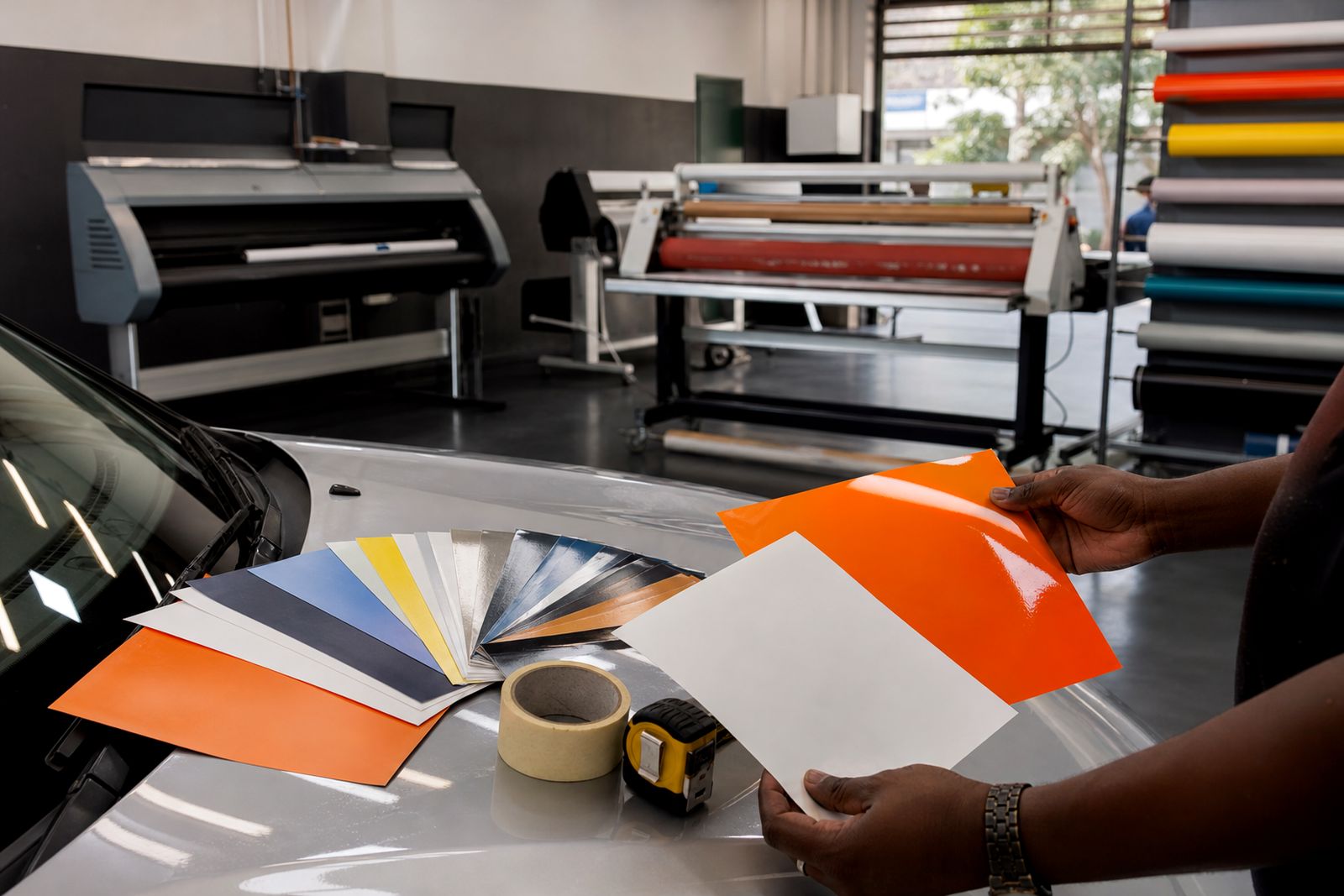
Choosing graphics for vehicles and boats
A practical guide to matching graphics to the surface, job and local conditions.
Read more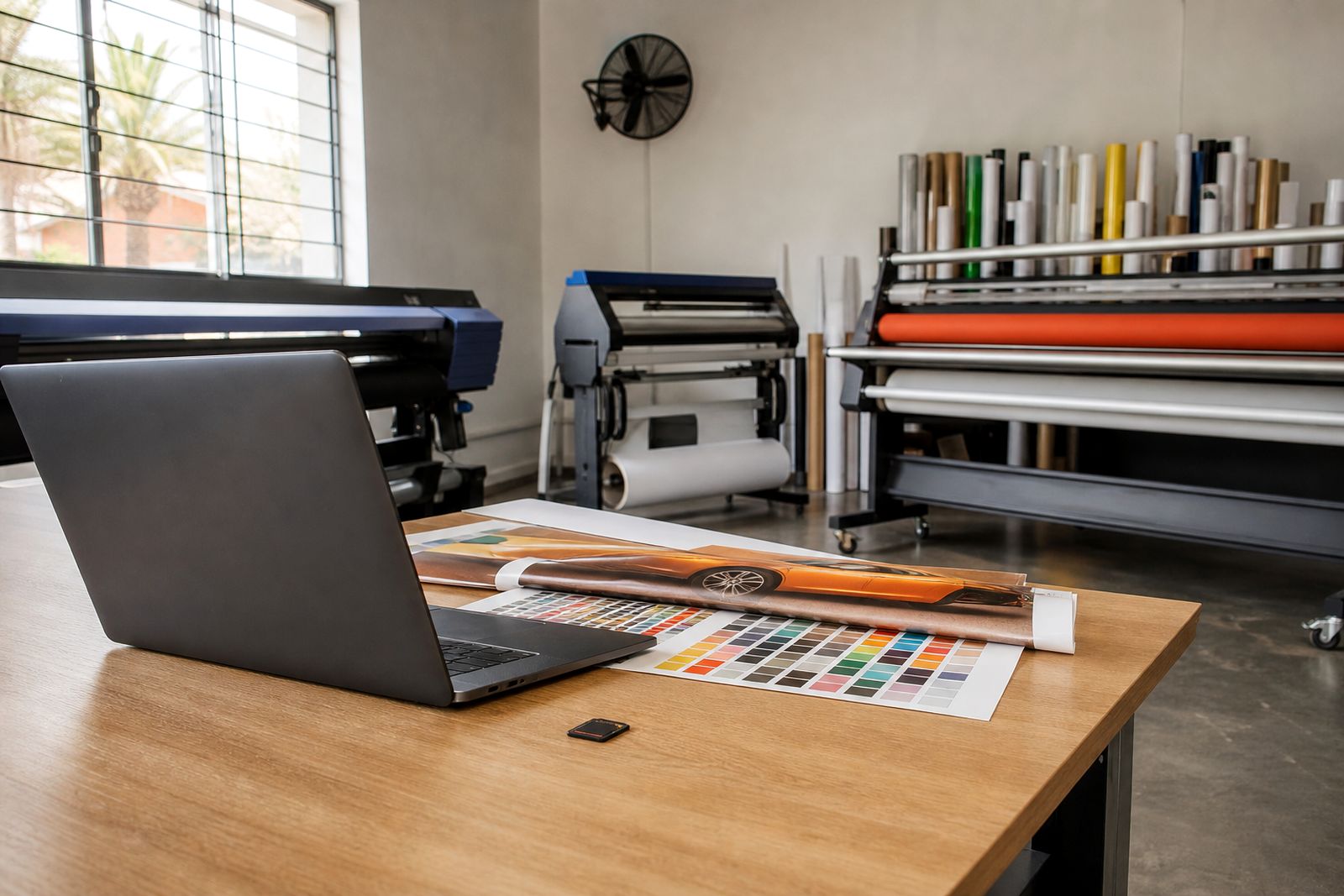
Preparing photos for wallpaper and canvas
Use this guide to size, crop and supply photos properly for wallpaper and canvas printing.
Read more
Where banners and signs work best
Use this guide to match banner and sign formats to the right indoor and outdoor spaces.
Read moreWhat our Printing and Signage customers say
Verified Google reviews
Questions we get asked
How do I know whether I need a banner or a fixed sign?
Choose a banner for temporary promotions, event use or portable display. Choose a fixed sign when the message must stay in place longer and face weather or regular public use.
Can the same graphic material be used on a car and a boat?
Not always. Boats usually need material chosen for spray, stronger UV exposure and more demanding curved surfaces, while vehicle graphics are matched to painted panels, windows and body lines.
What should I send before asking for a quote?
Send the type of item you need, approximate size, where it will be used, the surface it must go onto and any artwork or photos you already have. Use the contact form so we can review the job properly.
Ask for a quote
Use the contact form to tell us what you want printed, where it will be used and whether fitting is needed, and Galloping Naartjie will reply with a quote.
Open the contact form