

Stickers
Galloping Naartjie supplies cut and printed stickers for everyday branding, labelling and decoration across Durban and KwaZulu-Natal. We match the material and finish to the surface so the sticker looks clean, sticks properly and lasts in local weather.
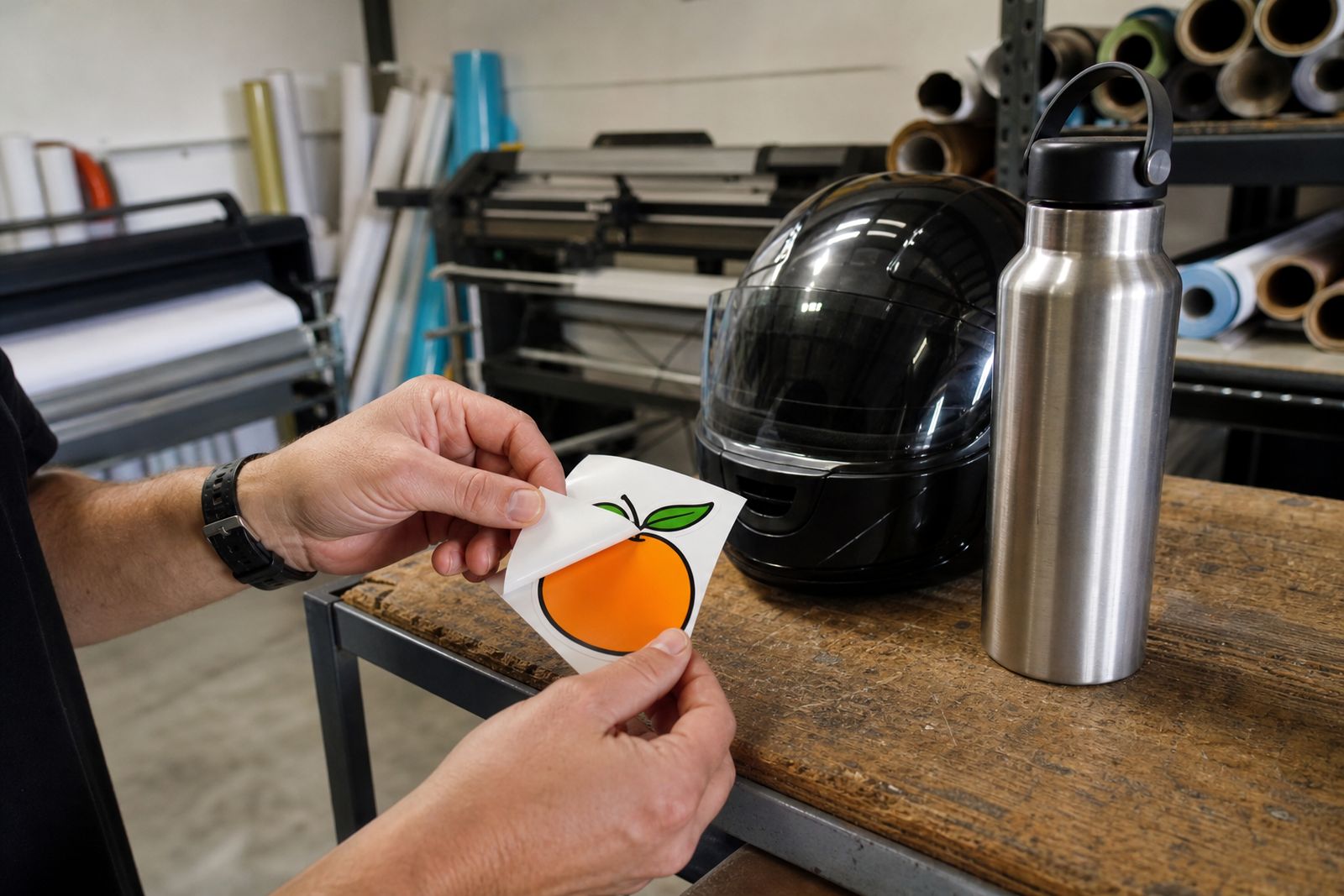
What our stickers are used for
Stickers are a practical way to brand, label or decorate without making a permanent structural change. We produce printed stickers for full colour logos, photos, promotions and product labels, and cut vinyl stickers for simple shapes, lettering and one-colour graphics. They are used on shop windows, fridges, interior walls, product packaging, event items, vehicle panels and smooth marine surfaces.
For Durban conditions, the main issue is not just sunlight. Coastal humidity, salt in the air and frequent washing all affect how long a sticker stays neat. That is why we ask where the sticker will be fitted, whether it is indoors or outdoors, and if the surface gets direct sun or regular water spray. A small label for jars needs a different film and adhesive from a large window decal.
- Printed stickers for logos, promos, labels and photo-based graphics
- Cut vinyl decals for text, hours, safety notices and clean shape work
- Short-run and once-off work for shops, homes, events and fleet items
- Indoor and outdoor options depending on surface and exposure
Sizes, finishes and working limits
We make small individual labels right up to larger panel-sized stickers for windows and flat sections. Very small text and thin lines have limits, especially on cut vinyl. If lettering is too fine it can lift during weeding or later during cleaning. As a rule, tiny details below a few millimetres high need to be checked before production. Large printed stickers can be supplied as one piece or tiled in panels when the graphic is too big to handle neatly in a single sheet.
Finish options usually include gloss or matt, depending on glare, cleaning needs and the look you want. Clear stickers work well on glass when the background needs to show through, while white media is better when strong colour is needed. For windows, we also look at viewing direction and whether the sticker is intended to be read from outside or inside.
- Small labels and decals for products, jars, boxes and equipment
- Medium stickers for fridges, doors, counters and shop windows
- Large format graphics for flat glass and smooth wall sections
- Gloss for strong colour, matt for reduced glare and a softer finish
- Clear or white base material depending on the artwork and surface
Best surfaces, and where stickers do not suit
Stickers perform best on clean, smooth, sound surfaces. Glass, sealed metal, painted panels in good condition, powder-coated boards, acrylic and certain laminate finishes usually take vinyl well. They also work well on domestic fridges and appliance panels if the surface is smooth and not textured. For temporary promotions, removable adhesive can help when the graphic needs to come off later with less residue.
There are surfaces where stickers are not the right answer. Raw brick, chalky paint, rough plaster, peeling surfaces and damp walls often cause edge lift or poor adhesion. Some plastics have low surface energy and can reject standard adhesive films. Fresh paint also needs proper curing time before application. On curved or riveted surfaces, not every vinyl will conform properly so it is better to tell us about those details early. If a wall is flaking, a sticker will only hold as well as the paint underneath which is not much.
Installation needs and site preparation
Good fitting starts before the sticker comes out of the backing paper. The surface should be dry, dust-free and free from polish, silicone, oil and old adhesive residue. Window glass should be cleaned properly, not just wiped over, and walls must be fully cured if recently painted. If access equipment is needed for high glass or large panels, that should be arranged upfront so measurements and fitting can be planned correctly.
We can supply simple peel-and-apply items for self-fit jobs, or prepare larger work for careful installation where alignment matters. Large window graphics, multi-panel stickers and long strips need enough clear working space and stable conditions during fitting. On outdoor work, wind and blowing dust can make neat installation difficult. For boats and vehicles, we also need to know whether the surface has wax, polish or previous graphics that must be removed first.
- Clean, dry smooth surfaces give the best result
- Fresh paint must cure before vinyl is applied
- High or wide areas may need access planning
- Old residue, polish and wax should be removed before fitting
- Large graphics need enough open space for proper alignment
Care, cleaning and expected wear
Most stickers need very little day-to-day care, but the wrong cleaner can shorten their life. Use a soft cloth or sponge with mild soapy water, then rinse and dry. Avoid harsh solvents, abrasive pads and strong pressure too close to edges. On vehicle and marine graphics, repeated blasting with a pressure washer can force water under the film, especially if an edge has already taken a knock.
Outdoor stickers fade and wear faster than indoor ones because they face sun, rain and regular temperature change. South-facing and north-facing positions can behave differently through the seasons, and areas near the coast often age faster due to salt and moisture. Stickers on frequently handled items, such as coolers or product lids, also wear sooner than window graphics. If the job needs longer outdoor service, tell us that from the start so the film and finish can be chosen accordingly.
What to send with your enquiry
The more clearly you describe the job, the faster we can advise on the right sticker type. If you already have artwork, send the file along with sizes and a photo of the surface. If you do not have final artwork yet, we can still advise if you tell us what the sticker must say, where it must go and whether it is for short-term or longer use. For window and wall work, photos taken straight on help a lot. A quick phone photo is usually enough to show frames, handles, edges and awkward corners.
- Required size in millimetres or metres
- Quantity needed
- Surface type such as glass, painted metal, fridge panel or wall
- Indoor or outdoor use
- Printed full colour or cut vinyl lettering
- Gloss, matt, clear or white finish preference
- Whether you need supply only or installation planning
Use the enquiry form on our contact page and include any site photos or layout notes. We will then advise on material, practical limits and the best way to produce your stickers.
What our Printing and Signage customers say
Verified Google reviews
Questions we get asked
Can stickers be removed later?
Some can be removed fairly cleanly, especially temporary or removable options, but the result depends on the surface, heat, age and adhesive used. Older outdoor stickers usually take more effort to remove.
Will stickers work on a painted wall?
Yes, if the wall is smooth, dry and properly cured. Rough plaster, flaky paint and damp areas are poor candidates and often cause lifting.
Do I need to send artwork before asking for a quote?
No. You can use the contact form with sizes, quantity, surface details and a photo of the area. If you already have artwork, include it so we can check the job more accurately.
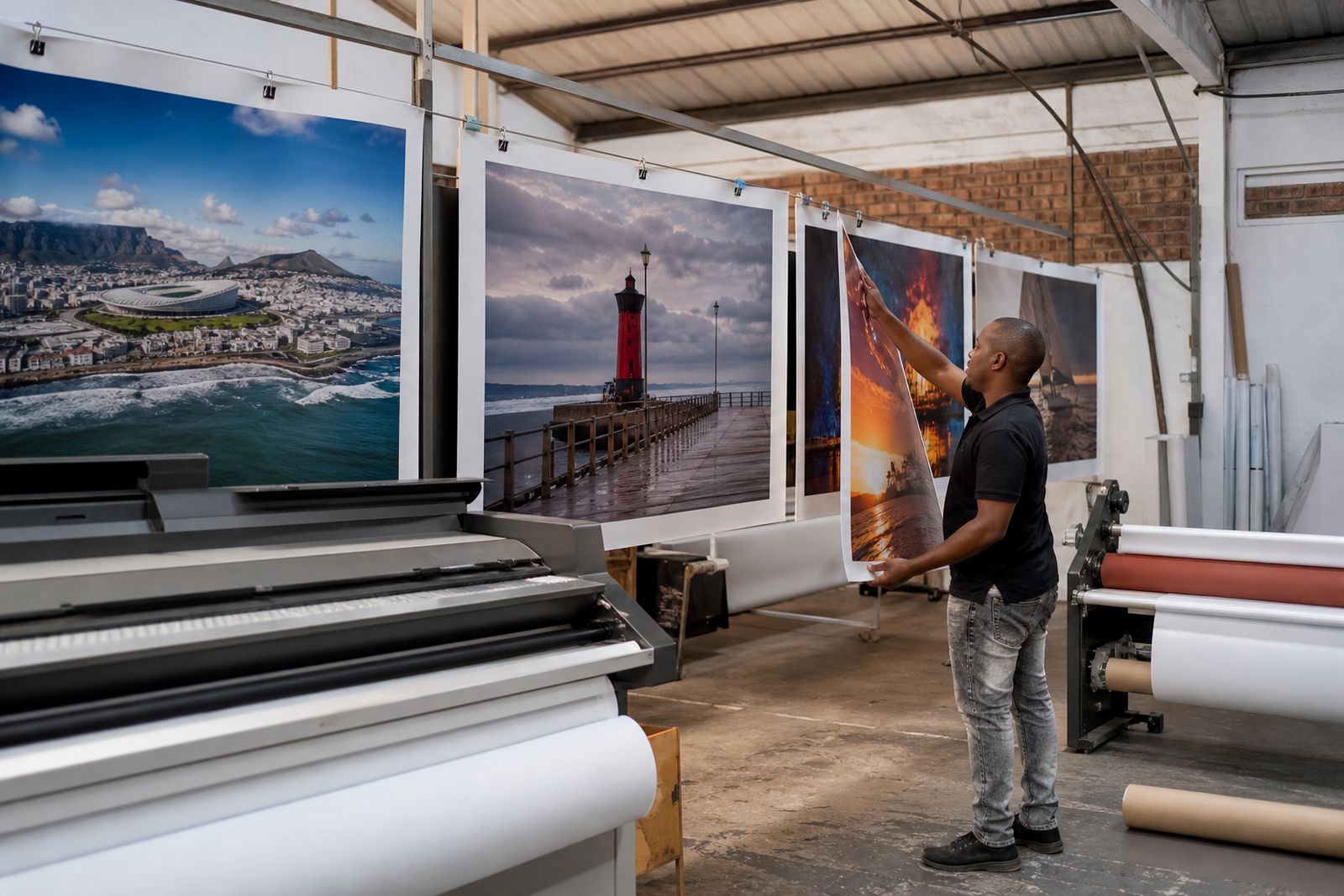

Ask for a quote
Use the contact form to tell us what you want printed, where it will be used and whether fitting is needed, and Galloping Naartjie will reply with a quote.
Open the contact form